Cart
0
Wedding Accessories: The Complete Guide to What Every Bride Actually Needs
Your wedding dress is the foundation. Accessories are what finish the story, and getting them right is harder than it looks.
Most brides hit a wall at some point. They're standing in front of a mirror, dress on, and something feels incomplete. Some panic-buy half a bridal boutique trying to fix it. Others layer on every piece they own until nothing reads clearly in photos. Both are fixable problems. This guide covers the complete list of wedding fashion accessories, what each one actually does, and whether you genuinely need it, matched to your dress style so you're not guessing.
OneWedDress carries most of these pieces alongside their gown collections, which is worth knowing if you want to see how things actually look together before committing. Browsing a veil next to the gown it's meant for tells you more in ten seconds than any flat-lay photo ever could.
What Are Bridal Fashion Accessories, and Do You Need All of Them?
They're everything beyond the dress: veils, jewelry, shoes, sash belts, petticoats, underskirts, detachable overskirts, jackets, hairpieces, gloves, and small bags. Some are purely decorative. Some are entirely functional. Most are quietly both, a petticoat you never see in photos is still the reason your skirt photographs the way it does.
You don't need all of them. The right picks depend on your dress silhouette, venue, season, and how much you actually want to manage your outfit mid-reception. A bride having an outdoor ceremony in July has very different needs to one walking into a cathedral in December.
Complete List of Wedding Fashion Accessories for Brides
Here's a quick overview before we break each one down.
|
Accessory |
Main Purpose |
Best For |
|
Bridal veil |
Adds tradition and ceremony style |
Classic, romantic, formal looks |
|
Bridal sash belt |
Defines waist, adds sparkle |
Simple gowns, A-line, ball gowns |
|
Wedding dress belt |
Adds shape and detail |
Minimalist wedding dresses |
|
Bridal petticoat |
Adds volume and structure |
Ball gowns and A-line dresses |
|
Wedding dress underskirt |
Supports skirt shape and movement |
Fuller skirts, formal gowns |
|
Detachable bridal overskirt |
Creates a second look |
Ceremony-to-reception transformation |
|
Bridal jewelry |
Adds polish and personal style |
All bridal looks |
|
Bridal shoes |
Supports comfort and style |
Every bride |
|
Hair accessories |
Completes hairstyle |
Updos, waves, half-up styles |
|
Bridal jacket or bolero |
Adds coverage and elegance |
Winter, church, modest styling |
|
Bridal gloves |
Adds vintage or formal detail |
Classic, dramatic, elegant looks |
|
Bridal clutch |
Holds small essentials |
Reception and photo moments |
|
Garter |
Traditional custom |
Brides who love wedding traditions |
|
Emergency kit |
Handles small day-of problems |
Every single bride |
Bridal Veil Styles: Which Length Works for Your Dress
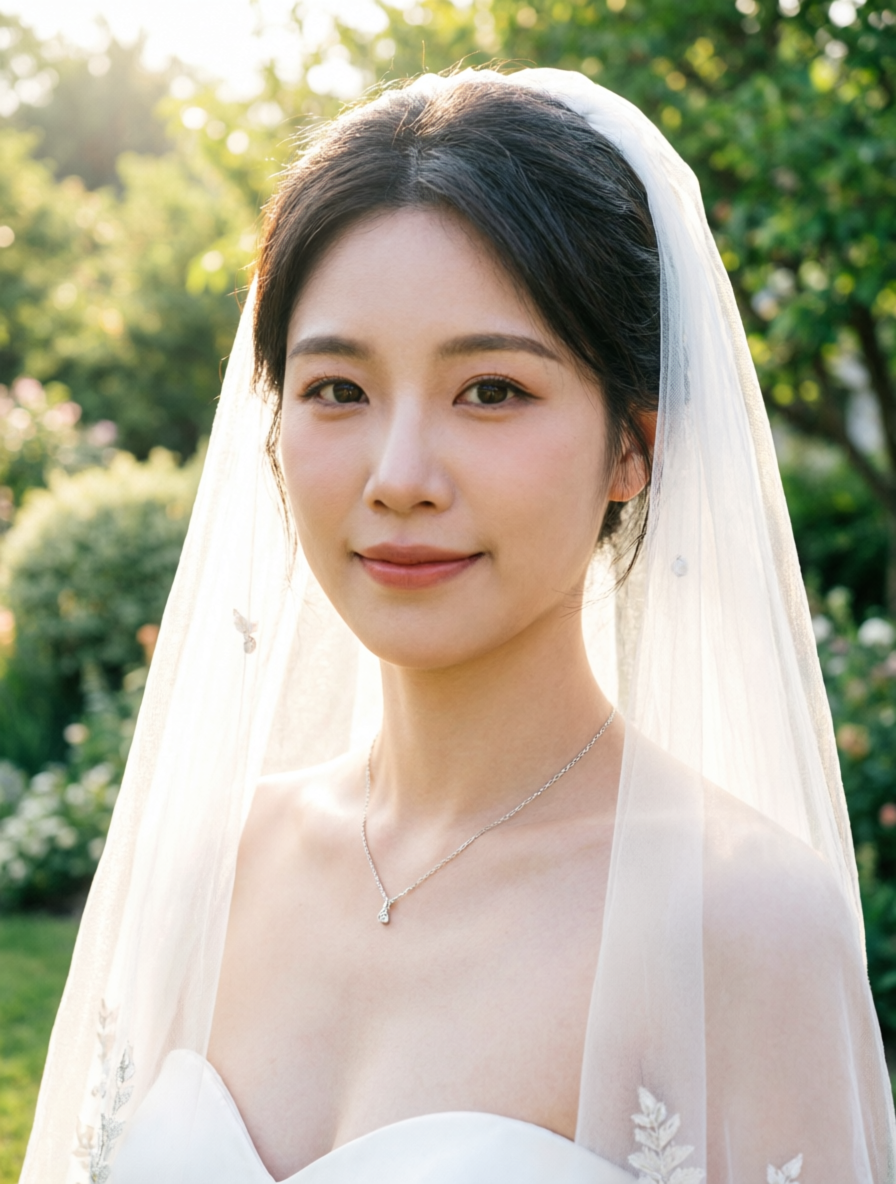
The veil is the most iconic bridal accessory. It signals ceremony, it frames a face in a way nothing else quite does, and it photographs beautifully from almost every angle. That said, it is entirely optional, and a forced veil rarely photographs better than no veil at all.
Short veils (birdcage to elbow): Light and relaxed, these sit close to the body and work particularly well for outdoor, destination, or vintage-inspired weddings. They don't compete with dramatic architecture, which makes them a safe choice if your venue already does a lot of visual work.
Fingertip and waltz-length veils: The most versatile option in bridal styling. Polished without being overwhelming, they work for almost any modern ceremony setting and pair well with a wide range of silhouettes. If you're unsure which length to try first, start here.
Chapel and cathedral veils: These are proper statements. They trail, they pool, they create a moment when you turn at the altar. They earn their place in venues with long aisles, grand interiors, or dramatic ceilings. In a small garden ceremony, they can feel a little lost, too much veil for too little stage.
One rule worth following: If your dress has heavy lace, dense beading, or a bold train, reach for a simpler veil. If the gown is clean and minimal, a longer or more detailed veil earns its place. Let one thing at a time do the talking.
Bridal Sash Belts and Wedding Dress Waist Belts: Adding Definition and Sparkle
A sash belt defines the waist, adds a focal point, and makes a plain dress feel deliberate rather than unfinished. Think of a plain white cake, beautiful in theory, a little underwhelming in practice. Add a ribbon around the middle and suddenly it looks considered. That is exactly what a sash belt does for a wedding gown.
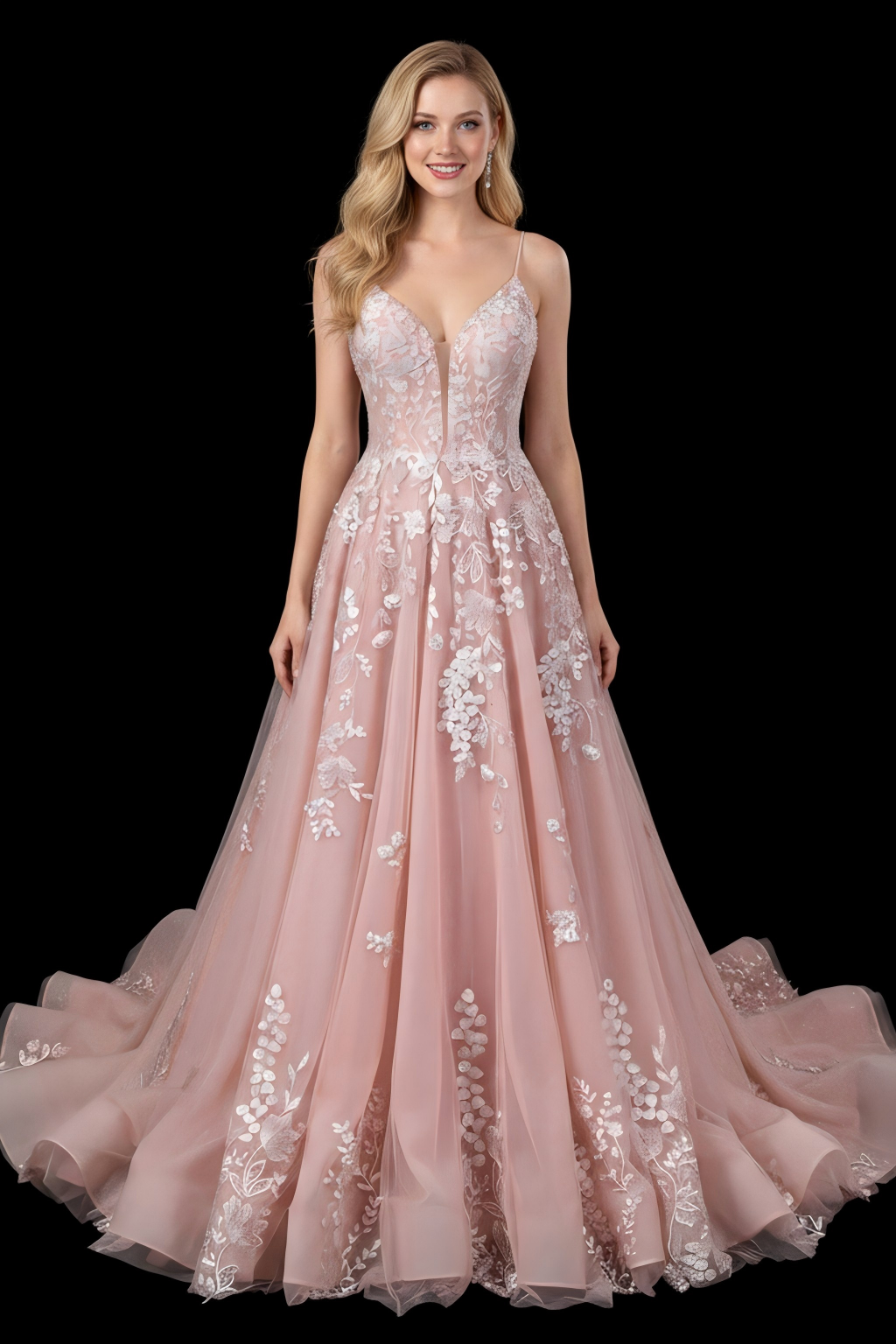
A bridal sash belt is typically made from fabric or ribbon, often with beading or embroidery along the body. A wedding dress belt is more structured, a band of crystals or metallic detail that sits slightly stiffer against the waist. Same job, different finish. Brides choosing a simpler OneWedDress gown often add a sash belt at the fitting stage, not because the dress needs rescuing, but because it transforms an elegant silhouette into something that reads as a complete look.
It is most effective on A-line, ball gown, and minimalist styles. If your dress already has an embellished waistline or detailed seaming, skip it, there is nothing left for a belt to add.
Bridal Petticoats and Wedding Underskirts: Getting the Shape Right

A flat skirt on a ball gown is a tent without poles. It needs structure from underneath to look the way it was designed, and without it, even an expensive gown can read as deflated or shapeless, especially after an hour of sitting down in summer heat.
Petticoats add volume and lift. Underskirts support the existing shape of the skirt and help it move cleanly without clinging to the legs. Both matter, but not for every dress.
Ball gowns and full A-line styles almost always need a petticoat. Slim sheaths, mermaids, and lightweight chiffon dresses do not, adding volume to a fitted gown just creates bulk where the design never asked for it.
Hoop vs. no-hoop: Hoop petticoats are rigid, very traditional, and can make sitting at dinner a memorable experience for the wrong reasons. No-hoop petticoats are softer, easier to dance in, and what most modern brides choose without thinking twice. Unless you are planning a Victorian ballroom recreation, go no-hoop.
Detachable Bridal Overskirts: How to Create Two Looks from One Dress
This is one of the cleverest accessories in bridal fashion, and it is chronically underused. A detachable overskirt adds drama, volume, or a dramatic train for the ceremony, then unclips at the reception to reveal something sleeker underneath. Two looks, one dress, no costume change required.
A stylist at a boutique once described it as the bridal equivalent of a convertible: same car, same engine, completely different experience depending on what you choose to do with the roof. It is hard to argue with that. Brides who go this route often say it is the one decision they felt was genuinely clever rather than just pretty.
OneWedDress offers overskirt styles designed to pair with their gowns, which removes a lot of the guesswork, you can see how the proportion and fabric drape actually work together, rather than hoping two pieces from different brands happen to agree.
Bridal Jackets, Boleros, and Cover-Ups: Style Meets Practicality
Part practical, part styling decision. A bolero covers a strapless or sleeveless gown for a church ceremony, then comes off at the reception to reveal the original neckline. A longer lace jacket adds warmth at winter or outdoor evening events without adding bulk.
The rule is simple: choose a cover-up that enhances the dress, not one that hides it. A lace bolero over a strapless gown looks cohesive because they share a visual language. A random cardigan does not, no matter how much you loved it in the shop.
Bridal Jewelry Ideas: How to Choose Earrings, Necklaces, and Bracelets
Less is almost always more. But the right piece in the right place elevates everything, while the wrong one competes with the dress and wins nothing for either side.
Match the jewelry to what the gown is already doing:
● Detailed neckline or lace? Skip the necklace. Let the earrings carry the moment.
● Simple neckline? A delicate pendant looks genuinely gorgeous and photographs beautifully.
● Heavy beading on the gown? Pull back entirely, pearl or crystal studs, nothing more.
● Clean, modern dress? Statement earrings or a single cuff bracelet finishes the look without fighting it.
On metals: pick one and stay consistent across every piece. Mixing gold and silver rarely reads as intentional in photographs, it usually just reads as an oversight.
Choosing Bridal Shoes: Comfort, Heel Height, and What to Know Before Alterations
Shoes determine your dress hemline, which means they need to be chosen before your final fitting, not after. A two-inch difference in heel height is a two-inch difference in how the hem falls, and a hem altered for the wrong shoe height is an expensive problem to fix later.
Buy them at least two months early. Actually wear them in. Test them on the same type of flooring you'll be on during the ceremony, carpet, wood, stone, and grass all feel different under a heel, and what feels stable in a shop can feel precarious on a slate courtyard. Pack backup flats for the reception if you know your tolerance for heels has limits. And if you're walking on grass or gravel, invest in heel caps.
A bride who had beautifully broken-in satin heels for the ceremony spent her cocktail hour in flip-flops because she hadn't tested them on the courtyard outside. The photos exist. They are fine, but the original shoes were not. Start wearing them early, on every floor type you can find.
Wedding Hair Accessories: Veils, Combs, and Pins by Hairstyle

Your hairstyle determines what you need here, so start with how you plan to wear your hair and work backwards to the accessory.
● Updos and buns: combs, hairpins, pearl clips, or a small tiara
● Soft waves: floral pieces, ribbon headbands, or a delicate crown
● Half-up styles: a single decorative pin or small comb does the job cleanly
If you're wearing a veil, the comb it attaches to is your accessory, you don't need to add anything else above the neck. Skipping the veil? This is where you add something personal, something that reads as intentional in photos without asking for more attention than the dress.
Bridal Gloves: When They Work and Which Styles to Consider
Gloves are entirely optional, but for certain aesthetics they are the finishing piece that makes everything click into place, the detail you can't quite put your finger on until you try them on.
|
Glove Style |
Best Pairing |
|
Short wrist-length |
Vintage or tea-length gowns |
|
Elbow-length |
Formal or strapless gowns |
|
Opera (above-elbow) |
Dramatic, black-tie, or theatrical looks |
For fitted or casual looks, gloves tend to feel out of proportion. For a 1950s-inspired wedding, an ultra-formal evening ceremony, or any look where drama is the explicit goal, they can be the detail that makes the whole thing feel considered.
Bridal Clutch Bags: What to Pack and When to Use One
You won't carry it during the ceremony. During photos and the reception, it keeps essentials within reach without looking awkward or improvised.
Pack it with: lipstick, tissues, phone, touch-up powder, breath mints, and a spare earring back. Hand it to a bridesmaid during the ceremony and any portions of the evening where carrying something would look strange. It does its quiet, useful job without ever needing to be the star of any photo.
The Wedding Day Emergency Kit: What Every Bride Should Pack
No exceptions. Every bride packs one, whether or not she expects to need it, which is rather the point.
● 10+ safety pins in multiple sizes
● Double-sided fashion tape
● Mini sewing kit with thread matched to your dress colour
● Stain remover pen
● Blotting paper
● Spare earring backs
● Bandages and heel cushions
● Small scissors
● Breath mints
● Bobby pins
One wardrobe malfunction handled in two minutes is barely a memory. Left unhandled, it becomes the story told at every family gathering for the next decade, usually by someone who finds it funnier than you do.
How to Match Wedding Accessories to Your Dress Style
|
Wedding Dress Style |
Best Accessories |
|
A-line |
Veil, sash belt, petticoat, delicate jewelry |
|
Ball gown |
Cathedral veil, structured petticoat, statement earrings |
|
Mermaid |
Long veil, drop earrings, slim bracelet |
|
Sheath |
Minimal veil, delicate belt, simple jewelry |
|
Lace |
Soft veil, pearl earrings, minimal necklace |
|
Satin |
Crystal belt, clean veil, elegant jewelry |
|
Simple/minimalist |
Statement veil, bridal sash belt, detachable overskirt |
|
Modest |
Bolero, jacket, long veil, subtle jewelry |
Must-Have vs. Optional Wedding Accessories: What You Actually Need
|
Must-Have for Most Brides |
Optional or Style-Based |
|
Shoes |
Gloves |
|
Jewelry |
Garter |
|
Hair accessory |
Bridal clutch |
|
Veil or alternative headpiece |
Detachable overskirt |
|
Proper undergarments |
Statement jewelry layers |
|
Emergency kit |
Bridal jacket or bolero |
|
Petticoat (only if the dress needs volume) |
Decorative belt (only if it suits the dress) |
A bridal petticoat, wedding underskirt, or detachable overskirt should always be chosen based on what your specific dress needs, not because a checklist told you to buy one.
How to Avoid Over-Accessorizing on Your Wedding Day
Pick one statement piece and let everything else stay quiet.
A bold veil means simple jewelry. Statement earrings mean no necklace. A heavily beaded dress means pulling back across the board, the dress is already making its argument, and accessories that compete with it win nothing for either side. Before the wedding day, try everything on together. Step back. Take photos, because photos reveal things a mirror doesn't. Ask someone whose opinion you genuinely trust, not someone who agrees with everything you show them.
How OneWedDress Helps You Build a Complete Bridal Look
Building a complete look is significantly easier when the dress and accessories come from the same source. The practical reason is simple: you can see how they actually work together, on a hanger or in person, rather than ordering pieces from four different places and hoping they're compatible when they arrive.
OneWedDress carries gowns alongside veils, sash belts, petticoats, underskirts, and detachable overskirts, so if you find a gown you love, you can explore what it looks like with the accessories designed to complement it. Brides who have done this often mention that it cuts decision fatigue considerably: fewer variables, fewer gambles, and a much clearer picture of the finished look before anything is ordered.
Explore our collection to find what matches your ceremony style, dress silhouette, and how you want to feel on the day.
Final Thoughts
The best items on any list of wedding fashion accessories are not the most expensive, they're the ones that make sense with your dress and make you feel like yourself. Some brides need only a veil and a pair of earrings. Others build out the full look with a belt, petticoat, overskirt, and bolero jacket, and every piece earns its place. Neither approach is wrong.
Start with the gown. Build outward from there. Add only what genuinely improves the look, and treat everything else as shopping pressure wearing a helpful disguise.
Frequently Asked Questions
What are the most important wedding fashion accessories?
Shoes, jewelry, a veil or hairpiece, proper undergarments, and any shaping pieces your gown actually needs, petticoat, underskirt, or none at all. The emergency kit is also non-negotiable.
Does every bride need a veil?
No. Hair combs, tiaras, floral pieces, or nothing at all work just as well depending on the look you're going for. The veil is traditional, but it is not mandatory.
What makes a simple wedding dress look more complete?
A bridal sash belt, statement veil, bold earrings, or a detachable overskirt, any one of these changes the overall impact significantly. The key is picking one focal point rather than adding everything at once.
What's the difference between a bridal petticoat and a wedding dress underskirt?
A petticoat adds volume to the skirt. An underskirt supports the existing shape of the skirt and helps it move cleanly. Some brides use the terms interchangeably, but the right choice depends entirely on what your specific gown needs, not what either word sounds like.
Do I need a sash belt?
Only if you want to define your waist or add detail to a plain gown. If your dress already has an embellished waistline or detailed seaming, a belt adds nothing useful and may actually obscure something worth showing.