Cart
0
Ballgown Wedding Dress: The Complete Guide to Silhouette, History & Style
 Introduction
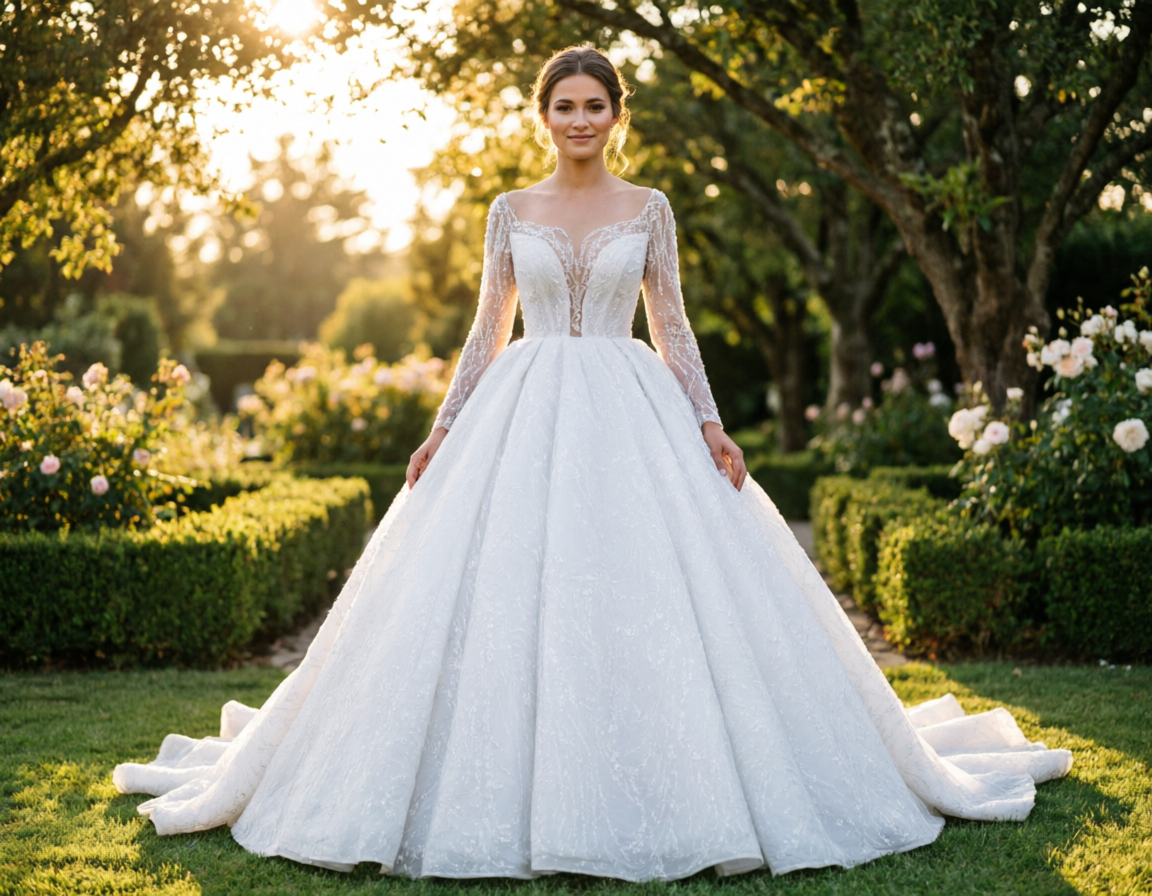
Few silhouettes in bridal fashion carry the enduring power of the ballgown wedding dress. Defined by its structured, form-fitting bodice and dramatically full skirt — popularly known as the “Cinderella gown” — it remains one of the most iconic choices a bride can make. Layers of tulle, satin, or organza, supported by crinoline or hoop frameworks, give the skirt its signature volume and graceful movement. Whether the neckline is sweetheart, off-the-shoulder, or strapless, the bodice draws in the waist before the skirt sweeps outward in a sweeping hourglass silhouette that flatters a wide range of figures and suits everything from a grand cathedral ceremony to an intimate garden wedding.
Rooted in the opulent court fashions of the 18th and 19th centuries, the ballgown has been continuously reinterpreted across eras and cultures. Contemporary designers layer tradition with modern sensibility — integrating delicate lace, sheer illusion panels, and innovative new textiles — ensuring that the style feels both timeless and fresh.
What Is a Ballgown Wedding Dress?
At its structural core, a ballgown wedding dress is defined by two key elements: a closely fitted, often boned bodice that sits at the natural waist, and a voluminous skirt that flares dramatically to the floor, typically supported by tulle, crinoline, or multiple petticoat layers. The contrast between the snug upper half and the sweeping lower half is far more pronounced than in an A-line silhouette, producing the hourglass drama that makes the ballgown instantly recognizable.
Historically grounded in the court and debutante fashions of the 19th century — evoking grand palace staircases and candlelit ballrooms — the ballgown has long been associated with fairy tale romance. It is no coincidence that Cinderella’s legendary gown is a ballgown. That association between the silhouette and transformative magic is precisely why it continues to capture the imagination of brides worldwide.
Gown Style Categories
Ballgowns are not a monolithic category. They encompass a rich spectrum of aesthetic directions, making it essential for brides, retailers, and designers to understand the distinct subcategories within the silhouette.
1. Floral Gown
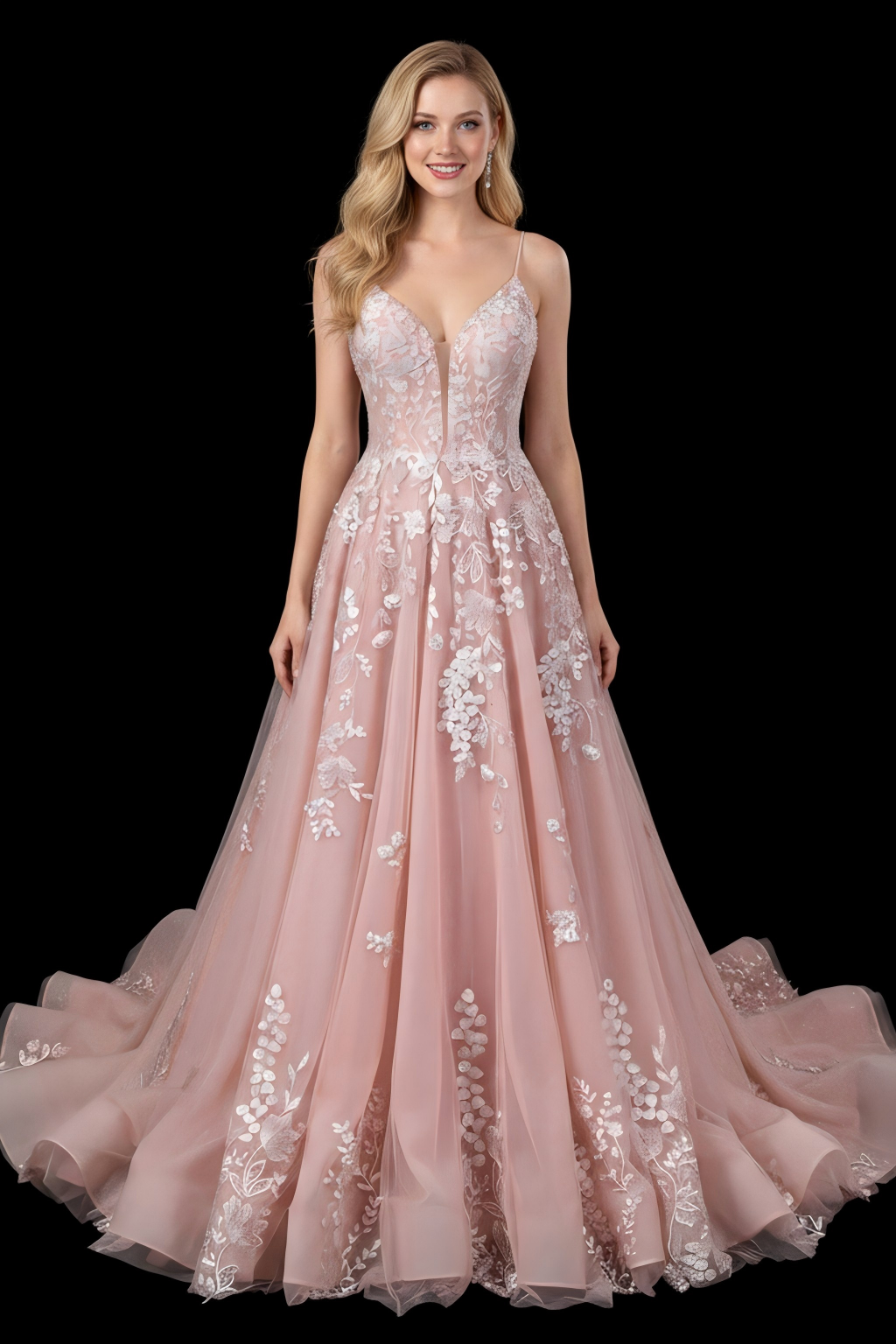
Characterized by printed, embroidered, or appliquéd floral motifs, these gowns carry a lighter, more romantic energy. They are well-suited to daytime celebrations, outdoor garden weddings, and informal festivities where a sense of freshness and femininity is desired.
2. Georgette Gown
Constructed from Georgette — a lightweight, slightly crinkled crepe fabric available in both silk and synthetic forms — these gowns prioritize fluid movement over structural rigidity. Because Georgette is semi-sheer, it is typically layered over a lining. The result is a gown that flows elegantly and is a natural choice for evening events and sophisticated parties.
3. Simple / Minimalist Gown
Stripped of heavy embellishment, these gowns rely on clean silhouette, refined construction, and the quality of their fabric for impact. In solid colors with uncomplicated lines, they offer a timeless elegance that also functions as a canvas for statement accessories — making them as versatile as they are graceful.
4. Aesthetic / Editorial Gown
Appealing strongly to a younger generation of brides, this category draws on current visual trends: soft pastel palettes, lace trim, puff sleeves, structured corset bodices, and the dreamy sensibility of “fairy-core” or “cottage-core” aesthetics. Less about ceremony than about creating a photogenic, mood-driven look.
5. Vamp Queen / Statement Gown
Bold and unapologetically dramatic, these gowns are built for impact. Deep jewel tones — midnight black, burgundy, bottle green — combined with figure-skimming silhouettes, daring necklines, high slits, and exposed backs define this category. Suited to red-carpet occasions, themed events, and receptions where the bride intends to command the room.
The History of the Silhouette
The ballgown’s origins lie in the elaborate court fashions of 18th- and 19th-century Europe, where wide skirts supported by structured undergarments were visible expressions of wealth, social standing, and formal occasion. By the Victorian era, the silhouette had become synonymous with weddings and all matters of ceremony, its romanticism only deepening with each passing decade.
The mid-20th century brought one of the silhouette’s most significant revivals. Christian Dior’s landmark “New Look” of 1947 reintroduced cinched waists and full skirts to mainstream fashion after years of wartime austerity, and brides followed swiftly. Royal weddings further cemented the ballgown’s cultural dominance: Grace Kelly’s silk taffeta gown in 1956 and Princess Diana’s legendary ivory taffeta creation in 1981 became defining images of their respective eras.
Legacy: To this day, when a royal or high-profile celebrity wedding captures the world’s attention, it is overwhelmingly the ballgown silhouette that remains fixed in collective memory.
Why Brides Still Choose the Ballgown
In an era that has increasingly celebrated minimalist slip dresses and relaxed bohemian silhouettes, the ballgown has not merely held its ground — it has experienced a genuine resurgence among modern brides who want their wedding day to feel distinct and transformative. Several compelling reasons account for this enduring appeal.
— Immediate dramatic presence: Few silhouettes command a room as effortlessly as a ballgown. The skirt alone is a spectacle — perfect for long cathedral aisles, sweeping staircases, and photographs that demand grandeur.
— A flattering waist emphasis: The contrast between bodice and skirt naturally draws the eye to the narrowest point of the torso, creating an hourglass effect that brides with a wide range of figures find deeply flattering.
— Surprising freedom of movement: A well-constructed ballgown, counterintuitively, allows considerable mobility. The generous fullness of the skirt provides ample room to walk, dance, and move with ease.
— Alignment with formal tradition: In a cathedral, historic mansion, or black-tie ballroom, the ballgown does not merely fit the setting — it elevates it. The silhouette carries an architectural quality that resonates with grand interiors.
The Anatomy of a Ballgown
Understanding the three structural elements of a ballgown — the bodice, the waist, and the skirt — equips brides to make informed, personalized choices during the selection process.
The Bodice
The bodice is the defining personality of the gown. It is where the bride’s individual style is most immediately expressed. The most common bodice forms include:
— Sweetheart: A curved, heart-shaped neckline universally flattering and inherently romantic.
— Strapless: The classic choice — clean, timeless, and designed to elongate the neck and shoulders.
— Off-the-shoulder: Dramatic yet softly romantic, drawing attention to the collarbones and décolletage.
— Illusion neckline: Sheer or semi-sheer fabric creates the impression of bare skin while offering modesty and a modern sensibility.
— Long or cap sleeves: Favored for cooler climates, religious ceremonies, or brides seeking a vintage-inspired aesthetic.
Regardless of neckline, the bodice may be further refined with internal boning for structure, hand-sewn lace appliqué, intricate beadwork, or embroidered detailing — each choice contributing to the overall character of the gown.
The Waist
The waist seam is the architectural pivot of the ballgown — the precise point at which fitted bodice gives way to full skirt. Most ballgowns feature a natural waistline, positioned at the torso’s narrowest point, though dropped waistlines offer an alternative proportion for certain body types and aesthetic preferences. Getting this seam right during fitting is critical: it is the waist that produces the dramatic contrast at the heart of the silhouette.
The Skirt
The skirt is, without question, the visual centrepiece. It varies considerably in both material and construction:
— Tulle: Light, airy, and cloudlike — often stacked in multiple layers for maximum volume.
— Satin or Mikado: Heavier and more sculptural, producing a structured silhouette with smooth, clean lines.
— Organza: Lightweight and breathable with a subtle structure that suits warmer months.
— Layered lace: Adds texture, depth, and decorative interest, softening the outline of the skirt beautifully.
Some designers finish the hem with horsehair trim, a technique that helps the skirt retain its shape and flare throughout the day — a subtle but significant detail of craftsmanship.
Choosing a Ballgown for Your Body Type
One of the ballgown’s less-discussed strengths is its remarkable versatility across body types — a quality that frequently surprises brides who initially assume the silhouette is not “for them.”
— Pear-shaped figures: The fitted bodice accentuates the upper body while the full skirt creates visual balance by drawing the eye outward at the hips and below.
— Hourglass figures: A natural waistline ballgown amplifies existing curves, celebrating the torso’s natural definition before expanding into the skirt’s dramatic sweep.
— Petite figures: A tailored bodice with a defined waist and a skirt sized proportionally to the frame — rather than overwhelming it — creates a beautifully elongating effect.
— Plus-size brides: The ballgown is widely considered one of the most flattering silhouettes for fuller figures. The skirt flows away from the body rather than clinging to it, while the structured bodice provides both support and graceful shaping.
— Apple or fuller-torso figures: An empire or slightly raised waistline shifts visual emphasis upward and allows the skirt to flow from just below the bust — creating a forgiving and elegant line.
A key reminder: The only reliable way to discover how a ballgown will look on your body is to try one on. Many brides are genuinely surprised — and delighted — to find that a silhouette they had dismissed becomes the one they cannot stop thinking about.
Matching Your Ballgown to Venue and Season
The ballgown’s grandeur makes it naturally suited to certain environments, though it is far more adaptable than its reputation for formality might suggest.
Venue Considerations
— Cathedrals and churches: Long aisles and high ceilings give the skirt the physical space it deserves, allowing the full drama of the silhouette to unfold as you walk toward the altar.
— Historic estates, mansions, and ballrooms: The aristocratic heritage of the silhouette aligns beautifully with formal architectural settings, producing a unified and elevated aesthetic.
— Outdoor garden or marquee weddings: A lighter-weight tulle ballgown in breathable fabric can work beautifully in outdoor settings — particularly with a softer, more romantic styling approach.
— Destination and travel weddings: Consider whether a detachable overskirt or a compact, lightweight construction will make the practicalities of travel more manageable.
Seasonal Fabric Guide
— Autumn and winter: Heavier fabrics such as satin, Mikado, and duchess satin provide structure, warmth, and a luxurious weight suited to cooler months.
— Spring and summer: Tulle, chiffon, and organza offer greater breathability and a lighter feel, making them the preferred choices for warm-weather celebrations.
Styling and Accessorising the Ballgown
With a silhouette as statement-making as the ballgown, the art of accessorising lies not in adding more but in achieving balance. Every element should complement and not compete.
— Veils: A cathedral-length veil mirrors and amplifies the grandeur of the skirt. For a subtler effect, a fingertip or elbow-length veil adds grace without overwhelming the gown.
— Jewellery: Where the bodice is intricately detailed, restraint is wise — simple drop earrings, a delicate bracelet, or a refined pendant allow the gown to remain the focal point. A plainer bodice, conversely, can support a more striking necklace.
— Shoes: Since the skirt typically covers the feet entirely, comfort takes precedence over visibility. Many brides choose elegant low heels or embellished flats for the ceremony and reception, reserving more decorative footwear for photographs.
— Hair: Updos are a natural partner to the ballgown, directing attention to the neckline and shoulders — particularly effective when the bodice is strapless or off-the-shoulder. For a softer, slightly less formal look, loose waves or a half-up arrangement offer a romantic alternative.
— Outerwear: In cooler conditions, a faux-fur stole, a structured cropped jacket, or a lightweight cape preserves the elegance of the silhouette while providing warmth.
Practical Considerations Before You Say Yes
The beauty of a ballgown is undeniable, but an informed bride also considers the logistical realities that come with this silhouette.
Weight and Mobility
Depending on fabric choice and the number of structural layers, ballgowns can be considerably heavier than simpler silhouettes. If dancing and extended movement are central to your reception, discuss a detachable overskirt with your designer — allowing you to transition to a lighter underlayer as the evening progresses.
Space Requirements
A ballgown requires more physical space than most silhouettes — for the processional, seating, and bridal party coordination. Discuss the scale of the gown with your venue coordinator well in advance to ensure logistical compatibility.
Fitting and Alterations
Because the bodice must achieve a precise fit to create the correct structural contrast with the skirt, ballgowns typically require more alteration appointments than simpler designs. Schedule your first fitting several months ahead of the wedding and build in time for follow-up adjustments.
Transport and Storage
A voluminous ballgown demands careful packing and storage — particularly for destination weddings. A dedicated garment box, a specialist bridal bag, and coordination with your venue regarding hanging and steaming on arrival will protect your investment.
Conclusion

In its deepest sense, a ballgown wedding dress is not simply a garment — it is an experience. Sweeping, dramatic, and unapologetically grand, it has endured for centuries because it speaks to something universal: the desire to feel transformed, elevated, and fully present in one of the most significant moments of a life. From its origins in European royal courts to its place in today’s most memorable weddings, the ballgown has continually reinvented itself without ever losing the essence of what makes it extraordinary.
Whether you pair it with a cathedral veil and a staircase entrance or with a simple updo and an intimate chapel, the ballgown retains its power. At OneWedDress, we believe every bride deserves to feel this way. If you have ever imagined a dress that makes a room fall silent — a dress that feels less like something you are wearing and more like something you are becoming — the ballgown may be exactly what you have been looking for.