Cart
0
Bridesmaid Dress Styles: The Complete Guide to Silhouettes, Fabrics & Necklines
 You have chosen your bridal party — now comes the next task: selecting dresses that make every bridesmaid feel confident and look great in the photos. The good news is that you do not need to put everyone in the exact same outfit. Modern bridal styling is far more flexible than that.
The key is to break the decision into manageable categories: silhouette, neckline, fabric, and length. Whether you are drawn to a timeless A-line, a sleek column, or a flowing empire waist, there is a combination that suits your venue, season, and the diverse body types in your party.
This guide covers all types of bridesmaid dresses so you can shop with clarity and confidence.
All Types of Bridesmaid Dresses at a Glance
Every bridesmaid dress is defined by four core elements: its silhouette, neckline, fabric, and length. The table below gives a quick overview of how these fit together.
|
Category |
Common Options |
Key Considerations |
|
Silhouette |
A-line, mermaid, sheath, empire waist, fit-and-flare, ball gown |
Body shape, movement, venue formality |
|
Neckline |
Sweetheart, V-neck, square, halter, asymmetric |
Upper body support, coverage, jewellery pairing |
|
Fabric |
Satin, chiffon, stretch and soft-drape |
Season, drape, shine, comfort |
|
Length |
Floor-length, midi, knee-length |
Venue flooring, weather, ease of movement |
|
Styling approach |
Uniform match, mismatched, same colour palette |
Overall coordination and cohesion in photos |
The Most Popular Bridesmaid Dress Silhouettes
The silhouette is the overall shape of the dress — the relationship between the bodice, waistline, and skirt. It is the first decision to make, as it determines how the dress will photograph and how comfortable your bridesmaids will be throughout the day.
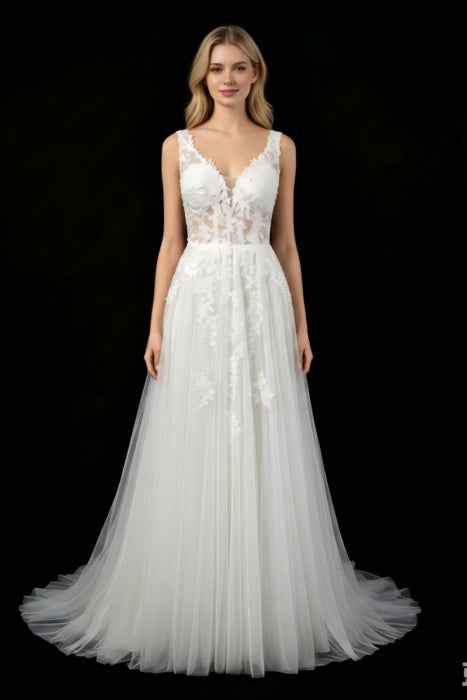
A-Line Bridesmaid Dresses
The A-line is fitted through the bodice and waist, then flares gradually to the hem in a shape that echoes the letter A. It is one of the most consistently flattering silhouettes because it skims the hips rather than hugging them, making it well-suited to a wide range of body types.
A-lines work equally well in a relaxed garden setting and a formal ballroom, and they pair naturally with almost any neckline style. If you are dressing a mixed group and want a shape that causes the fewest complications, this is the safest and most versatile starting point.
• Best for: Brides who want a flexible, size-inclusive silhouette that works across venues and seasons.
• Consider: If your bridesmaids want a more form-fitting or dramatic look, the A-line is intentionally relaxed through the lower body.
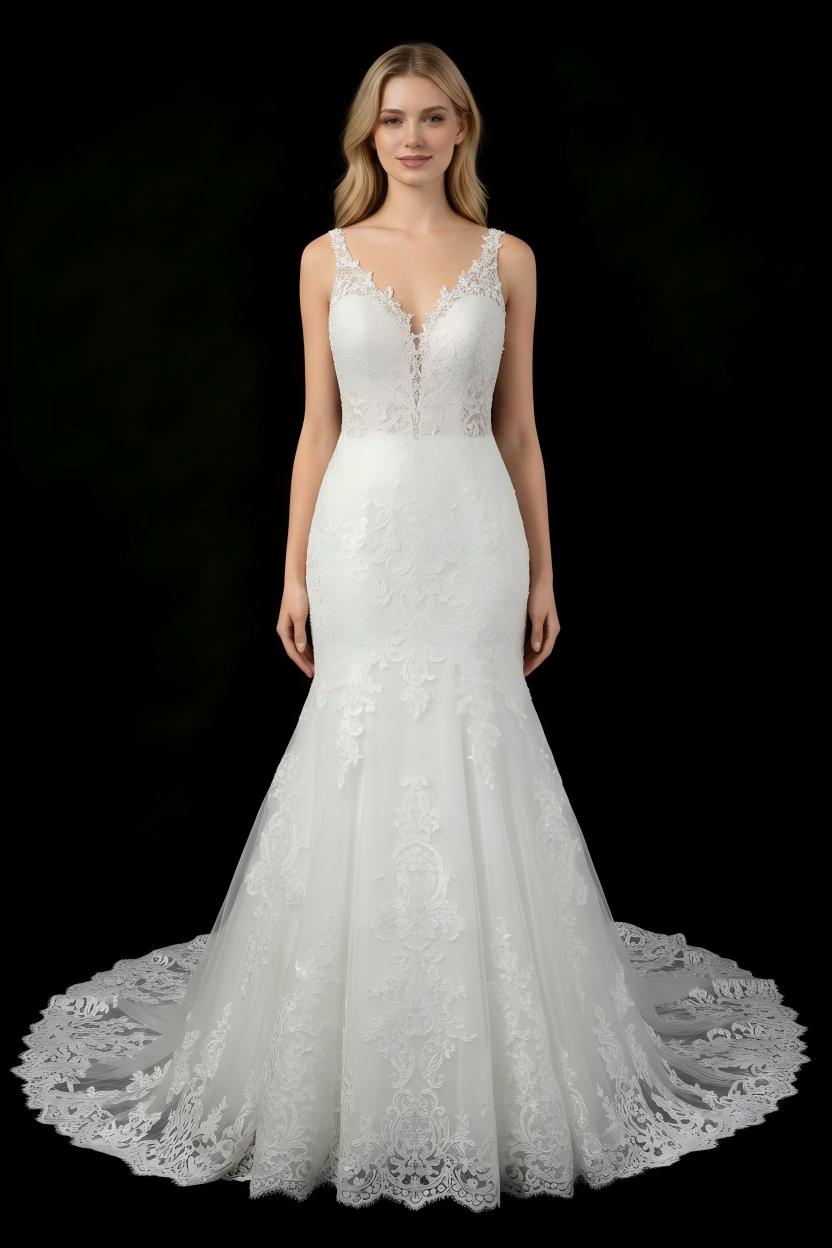
Mermaid Bridesmaid Dresses
Mermaid dresses are fitted closely through the bust, waist, and hips before flaring out at or below the knee. The silhouette is bold and fashion-forward, making it a striking choice for formal, styled weddings.
That said, mermaid dresses require some practical consideration. The fitted skirt can restrict movement, making it less comfortable for bridesmaids who will be on their feet for long periods, navigating stairs, or dancing energetically at the reception.
• Best for: Formal weddings with a seated reception and limited need for extended walking or dancing.
• Consider: The fitted skirt may cause discomfort for bridesmaids who are very active throughout the day.
Sheath or Column Bridesmaid Dresses
The sheath silhouette falls straight from the bust to the hem, skimming the body without a defined flare. It has a clean, minimalist quality that photographs well in contemporary settings.
• Best for: Casual or modern weddings — beach ceremonies, urban loft venues, or destination nuptials.
• Consider: The sheath fits close throughout, so it does not provide the same sweeping volume as an A-line or ball gown.
Fit-and-Flare Bridesmaid Dresses
Fit-and-flare sits between an A-line and a mermaid: fitted through the bodice and upper body, then flaring gently from the hip rather than the knee. This gives it more movement and comfort than a true mermaid while still creating a defined, elongating silhouette.
• Best for: Bridesmaids who want a flattering fitted look without the movement restrictions of a mermaid cut.
• Consider: The flare point sits higher than in a mermaid, so it creates a subtler drama overall.
Empire-Waist Bridesmaid Dresses
Empire-waist dresses have a seam placed just below the bust, with a loose, flowing skirt that falls from that high point. The style draws attention upward toward the shoulders and face while keeping the lower body relaxed and unstructured.
This silhouette is particularly practical for long ceremonies and warm-weather events, and it can comfortably accommodate a pregnant bridesmaid.
• Best for: Summer and outdoor weddings, all-day wear, and bridal parties with varying body shapes.
• Consider: Empire styles de-emphasise the natural waist, so they are not ideal if your bridesmaids want a defined waistline.
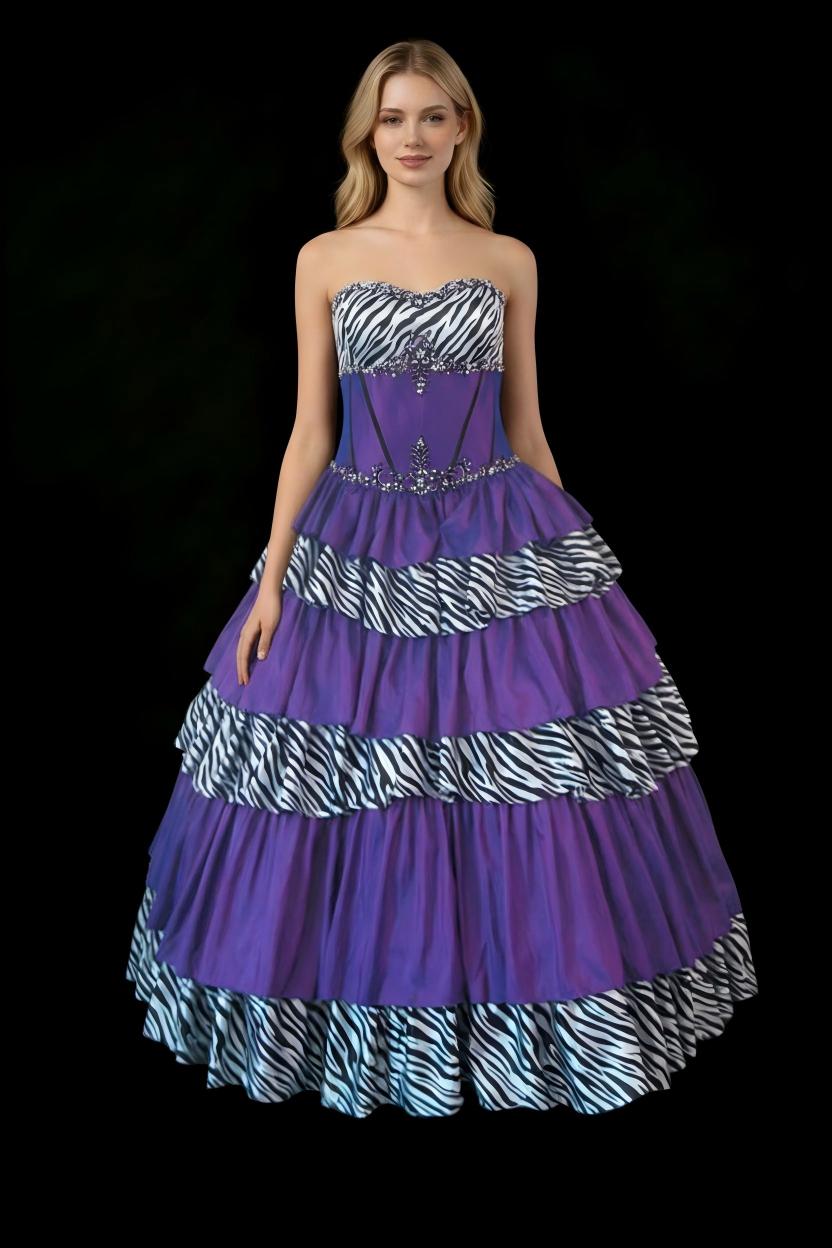
Ball Gown Bridesmaid Dresses
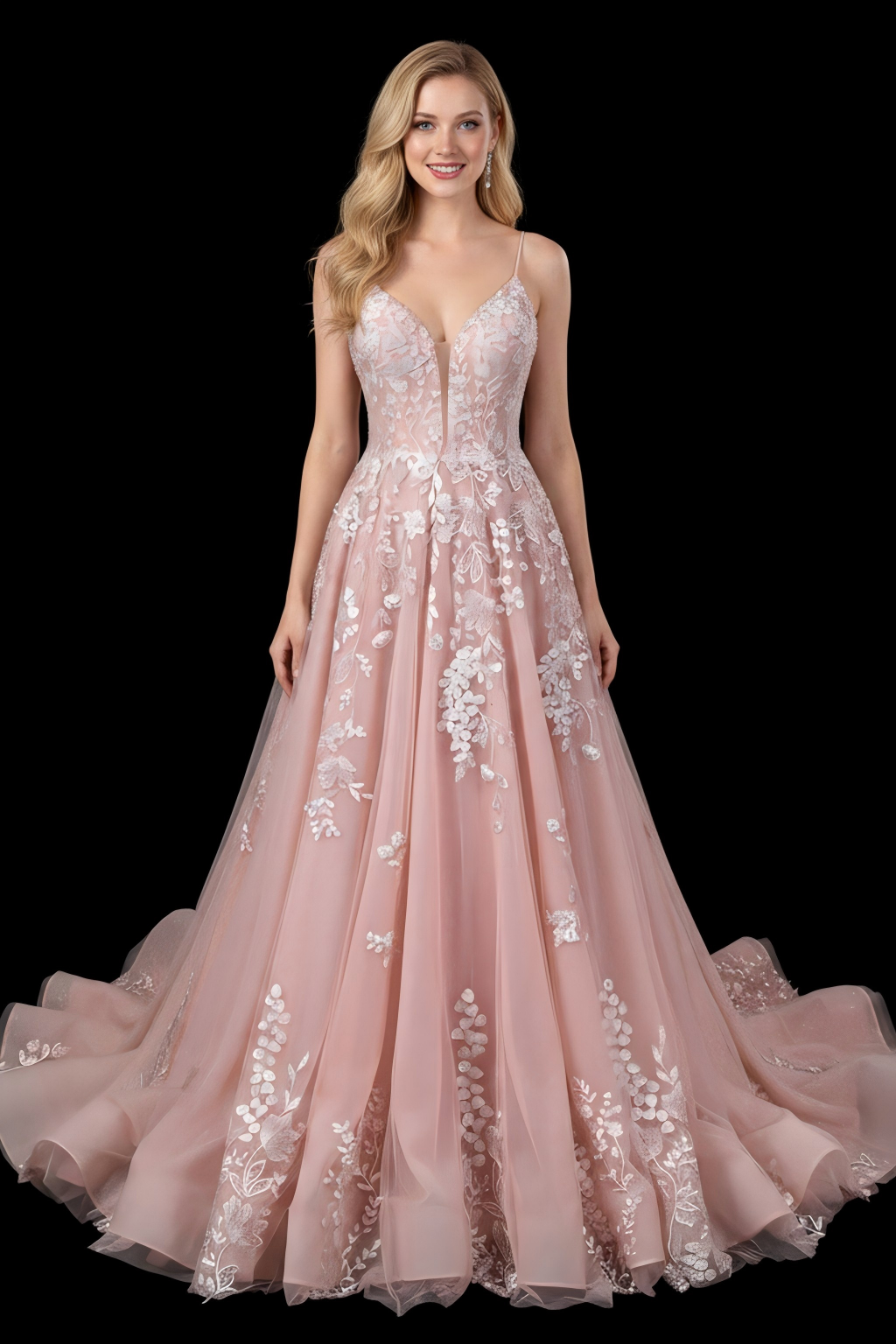
Ball gowns feature a structured bodice and a full, voluminous skirt typically constructed from layers of tulle or crinoline. They are unapologetically formal and create a dramatic effect in grand venues.
• Best for: Black-tie weddings in large spaces such as cathedrals, ballrooms, or historic estates.
• Consider: Ball gowns require space to move. Narrow aisles, tightly spaced reception tables, and small dance floors can all create challenges.
Bridesmaid Dress Necklines: What Changes and Why It Matters
The neckline shapes how the top half of a dress looks, influences the support it provides, and determines which jewellery works best. Getting the neckline right means your bridesmaids will feel comfortable and confident rather than self-conscious throughout the day.
Sweetheart Neckline
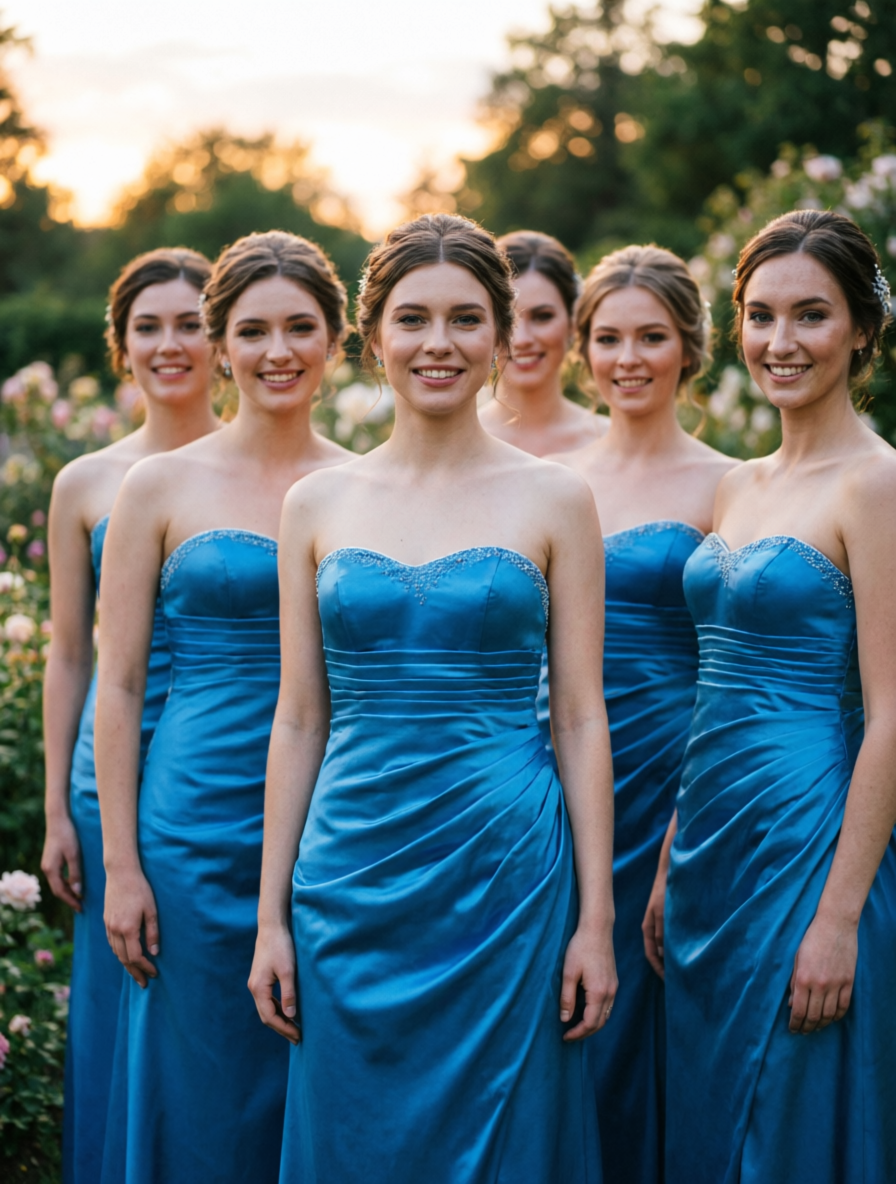
The sweetheart neckline curves down into two gentle points at the centre front, mimicking the top of a heart. It frames the collarbone elegantly and has a romantic, feminine quality that suits both classic and contemporary weddings. It works beautifully with a simple pendant or no necklace at all.
V-Neck Bridesmaid Dresses
The V-neck creates a vertical line down the centre of the bodice. The depth of the V can range from modest to more dramatic depending on the cut. It is one of the most universally flattering necklines because it elongates the neck and draws the eye inward. Wider shoulder straps provide additional support, making this a practical and stylish choice.
Square Neck Bridesmaid Dresses
The square neckline features clean, straight edges that meet at right angles across the chest. It has a structured, minimalist quality that works particularly well for modern and city weddings. Pair it with small stud or drop earrings rather than a necklace, which would compete with the strong horizontal line of the neckline.
Halter Neck Bridesmaid Dresses

A halter neckline uses straps that wrap around the back of the neck and leave the shoulders bare. It draws the eye upward and can provide strong support. Before committing, check how the neckline interacts with your bridesmaids' preferred hairstyles — updos tend to work best with halter necklines, but some styles can conflict with the neck straps.
Asymmetric or One-Shoulder Bridesmaid Dresses
Asymmetric necklines feature a single strap or an architectural diagonal cut that creates a bold, sculptural effect. These silhouettes work well for evening celebrations and luxe destination weddings. Keep accessories minimal to avoid competing with the neckline's visual impact — one earring on the bare-shoulder side is often the most elegant approach.
Best Bridesmaid Dress Fabrics
Fabric affects not only how a dress feels to wear, but how it photographs, how it responds to heat, and how consistent the colour appears across your entire bridal party.
Satin Bridesmaid Dresses
Satin is a smooth, tightly woven fabric with a characteristic surface sheen. It drapes beautifully and reads as formal and polished in photographs. Because it reflects light, satin can look slightly different indoors under artificial lighting compared with natural daylight outdoors — a factor worth considering when planning your wedding photography.
Satin is well suited to evening ceremonies, ballroom settings, and autumn or winter weddings where the richness of the fabric suits the season.
Chiffon Bridesmaid Dresses
Chiffon is a lightweight, semi-sheer fabric that moves easily with the body. It has an airy, romantic quality and is an excellent choice for garden, beach, spring, and summer weddings. Because chiffon absorbs rather than reflects light, it can appear slightly softer or more muted in photographs than satin — which is not a drawback, simply something to factor in when making decisions about colour.
Stretch and Soft-Drape Fabrics
Fabrics with a stretch component prioritise comfort and freedom of movement. They are a practical option when your bridesmaids will be on their feet for most of the day managing logistics, greeting guests, or dancing.
Fabric and colour consistency note: If you are considering a mismatched-fabric look, be aware that satin and chiffon absorb and reflect colour differently. Even when ordered in the same shade name, satin will appear brighter and chiffon slightly softer. For the most consistent result across the group, order dresses in the same fabric. If you do mix fabrics intentionally, request colour swatches first so you can preview how they will look together.
Bridesmaid Dress Length: Long, Midi & Short
Length affects how formal the overall look feels, how well the dress photographs, and how practical it is for the venue.
• Floor-length: The traditional formal choice. Floor-length gowns suit black-tie evenings, winter weddings, and grand venues. They photograph beautifully together as a group but must be hemmed precisely — an uneven hem is visible in photos and creates a tripping hazard.
• Midi-length: Falling somewhere between the knee and the ankle, the midi is a versatile option that balances formality with practicality. It works particularly well for daytime garden ceremonies, city hall weddings, and events where your bridesmaids want to show off their shoes.
• Knee-length or above: Shorter styles are relaxed and practical, and suit casual venues such as beach ceremonies, garden parties, or informal receptions. They allow full freedom of movement, which is an advantage if your bridesmaids will be active throughout the day.
Matching vs Mix-and-Match Bridesmaid Dresses
A coordinated bridal party does not require every dress to be identical. There are several approaches that create a cohesive look while giving each bridesmaid some flexibility.
• Same colour, same dress: Every bridesmaid wears the same style and colour. Clean, simple, and easy to plan — a reliable choice if you want a uniform look without complexity.
• Same colour, different silhouette: Each bridesmaid chooses her own neckline and shape, but all dresses are made in the same colour and fabric. The result is a coordinated group photo that still allows each person to wear a style she genuinely feels good in.
• Same colour palette, different tones: Bridesmaids wear distinct shades within a colour family — for example, sage, dusty green, and olive, or blush, rose, and burgundy. This approach works best when all dresses share the same fabric type, which keeps the tonal variation looking intentional rather than mismatched.
How to Choose the Right Bridesmaid Dress for Your Wedding Style
Use the table below as a starting point for matching your bridal party to your venue and theme.
|
Wedding Style / Venue |
Recommended Direction |
|
Beach wedding |
Chiffon fabrics, midi lengths, relaxed A-line silhouettes, soft fluid movement |
|
Garden wedding |
Floral-inspired tones, A-line shapes, lightweight flowing fabrics |
|
Formal ballroom wedding |
High-shine satin, floor-length gowns, structured or architectural necklines |
|
Black-tie wedding |
Floor-length satin, dramatic mermaid cuts, elegant halter or plunging V-necks |
|
Rustic wedding |
Soft matte fabrics, relaxed silhouettes, earthy or warm organic colours |
|
Modern city wedding |
Sharp square necks, asymmetric necklines, sleek column silhouettes |
|
Fall or winter wedding |
Heavyweight satin, rich deep colours, floor-length gowns, optional long sleeves |
Final Thoughts
Choosing bridesmaid dresses does not need to be stressful. When you focus on a few key decisions — silhouette, neckline, fabric, and length — and allow your bridesmaids to work within that framework, the result is a group that looks coordinated and feels comfortable.
The most successful bridal parties are ones where everyone feels genuinely good in what they are wearing. Give your bridesmaids the structure they need and the flexibility to choose what works for them, and the photos will reflect that.
Ready to start building your look? Explore the full collection at OneWedDress.
Frequently Asked Questions
What is the most universally flattering bridesmaid dress silhouette?
The A-line is widely considered the most universally flattering option. Its fitted bodice and gently flared skirt suit a wide range of body types and work across nearly any fabric or neckline combination.
Can bridesmaids wear different dress styles in the same colour?
Yes — this is one of the most popular approaches in modern bridal styling. Each bridesmaid selects her preferred silhouette and neckline while the group is unified by a shared colour and fabric. Be aware that satin and chiffon reflect light differently, so even dresses ordered in the same colour name may appear slightly different shades. Ordering in the same fabric avoids this issue.
What fabrics work best for summer bridesmaid dresses?
Chiffon and other lightweight, open-weave fabrics are the best choice for warm-weather weddings. They are breathable, move well in outdoor conditions, and photograph beautifully in natural light.
When does satin work best for bridesmaid dresses?
Satin is ideal for formal evening ceremonies, hotel ballrooms, and black-tie weddings. Its weight and sheen create a polished, structured look that suits more formal occasions.
How should bridesmaids determine their dress size?
Always measure your current bust, waist, and hip measurements and compare them against the brand's size chart. Formal wear sizing frequently runs smaller than standard retail sizing, so measuring accurately before ordering is essential. When in doubt, size up and arrange for alterations.
Can bridesmaid dresses be customised?
Many specialists, including OneWedDress, offer colour matching, style modifications, and made-to-measure sizing. Contact the retailer directly before placing an online order to confirm what customisation is available within your timeline.