Cart
0

Cocktail Dresses: The Complete Guide to Style, Fit & Wedding Dressing
You got an invitation. It says "cocktail attire." Now you're standing in front of your wardrobe, wondering if your go-to dress is too short, too sparkly, or somehow both at once.
It's a frustrating position to be in, partly because the term "cocktail attire" does almost nothing to help you. It's vague by design, a social shorthand that assumes you already know what it means. And if you're not sure, or if you want to be certain you've got it right, that assumption doesn't help at all.
This guide is for that exact moment. We'll walk through what cocktail dresses actually are, how to read the dress code based on venue and timing, which length and silhouette suit which occasions, and how to get the fit right when you're ordering without trying anything on first.
What Is a Cocktail Dress?

A cocktail dress occupies the middle ground of occasion dressing. It's more polished than something you'd wear to brunch, but it doesn't carry the formality of a full-length evening gown. The length is typically somewhere between above the knee and midi. What sets it apart isn't just the hem, it's the fabric, the tailoring, and the finish. A dress can be short and still read as genuinely elegant if the construction is there.
The simplest way to place it:
|
Dress Type |
Typical Formality |
Common Length |
Suitable Occasions |
|
Casual dress |
Relaxed |
Mini to maxi |
Day trips, casual meals |
|
Cocktail dress |
Semi-formal |
Above knee to midi |
Weddings, parties, dinners |
|
Evening gown |
Formal |
Usually floor-length |
Galas, black-tie events |
|
Wedding dress |
Bridal |
Varies |
Wedding ceremony and reception |
When Should You Wear a Cocktail Dress?
When the invitation says "cocktail" or "semi-formal," a cocktail dress is almost always the right answer. But the wording on the card is only part of the picture; the venue, the time of day, and the couple's or host's general aesthetic all carry weight too.
A cocktail dress works well for weddings (evening or afternoon), engagement parties, rehearsal dinners, company holiday parties, anniversary celebrations, fundraisers, graduation dinners, and theatre nights. It's one of the more versatile categories in occasion dressing precisely because it covers such a wide range of settings without tipping into either too casual or too formal.
There are times to reconsider it, though. If the invitation specifies black tie, a cocktail dress will likely read as underdressed. The same applies to white tie events, religious ceremonies with conservative dress expectations, or cultural events where coverage and modesty take a different form. When the instructions are specific, follow them rather than defaulting to the cocktail category.
How Long Should a Cocktail Dress Be?
This is genuinely one of the most searched questions about cocktail dresses, and the honest answer is: it depends. Not in a vague, unhelpful way, there are real factors to weigh. Here's how to think about them.
Short Cocktail Dresses
Short styles, anything above the knee, work well for festive evening occasions, holiday parties, and events with a younger or more playful energy. The trap people fall into is assuming short automatically means informal. It doesn't. A structured satin mini with a defined bodice reads completely differently from a casual slip dress in the same length. The fabrication and finish do the heavy lifting.
Knee-Length Cocktail Dresses
Knee-length is the classic choice for a reason. It threads the needle between too casual and too formal, suits a wide range of event settings, and works with both heels and block-heeled sandals. If you're genuinely unsure which length to choose, knee-length is where to start.
Midi Cocktail Dresses
Midi styles, landing between the knee and the ankle, have grown significantly in popularity, and it's easy to see why. They feel more refined without crossing into evening gown territory, which makes them particularly well-suited to evening weddings, elegant indoor venues, or occasions where you want a slightly more covered look. A midi in lace or satin can feel just as polished as a floor-length gown.
Can a Cocktail Dress Be Floor-Length?
Technically, yes, but at a cocktail event, a floor-length dress may read as evening wear rather than cocktail attire. Whether that matters comes down to the invitation, the venue, and your own preference. For most semi-formal occasions, stopping at midi or knee is the safer call.
How to Choose the Right Cocktail Dress
Rather than jumping straight to color or silhouette, start with the context. A few questions answered upfront will make every other decision easier.
Step 1: Look at the actual dress code wording. "Cocktail" and "semi-formal" are often used interchangeably and both point to the same territory, polished but not black-tie. "Formal" or "black-tie optional" signals something longer and more elevated.
Step 2: Factor in the venue and time of day. An evening hotel ballroom wedding calls for something richer, lace, satin, or controlled beading. A daytime garden party might suit a lighter A-line or a floral midi. The setting tells you how much embellishment is appropriate before you even start browsing.
Step 3: Decide on coverage. Necklines and sleeves come down to personal comfort and the event context. Sleeveless and strapless styles work well in warmer venues; illusion necklines give a covered look using sheer fabric; cap sleeves or three-quarter sleeves add modesty without making the dress feel heavy. There's no hierarchy here; wear what makes you feel at ease.
Step 4: Think about how the dress actually moves. A dress that photographs well but restricts your movement on the dance floor, makes you tug the hem every time you sit down, or requires constant bodice adjustment is not a good event dress. Consider how the skirt moves when you walk, whether you can sit comfortably, and how the fabric will feel after a few hours.
Step 5: Check your measurements before you order. This one gets skipped constantly, and it's the source of most online shopping disappointment. More on this in the fit section below.
Popular Cocktail Dress Silhouettes
A-Line
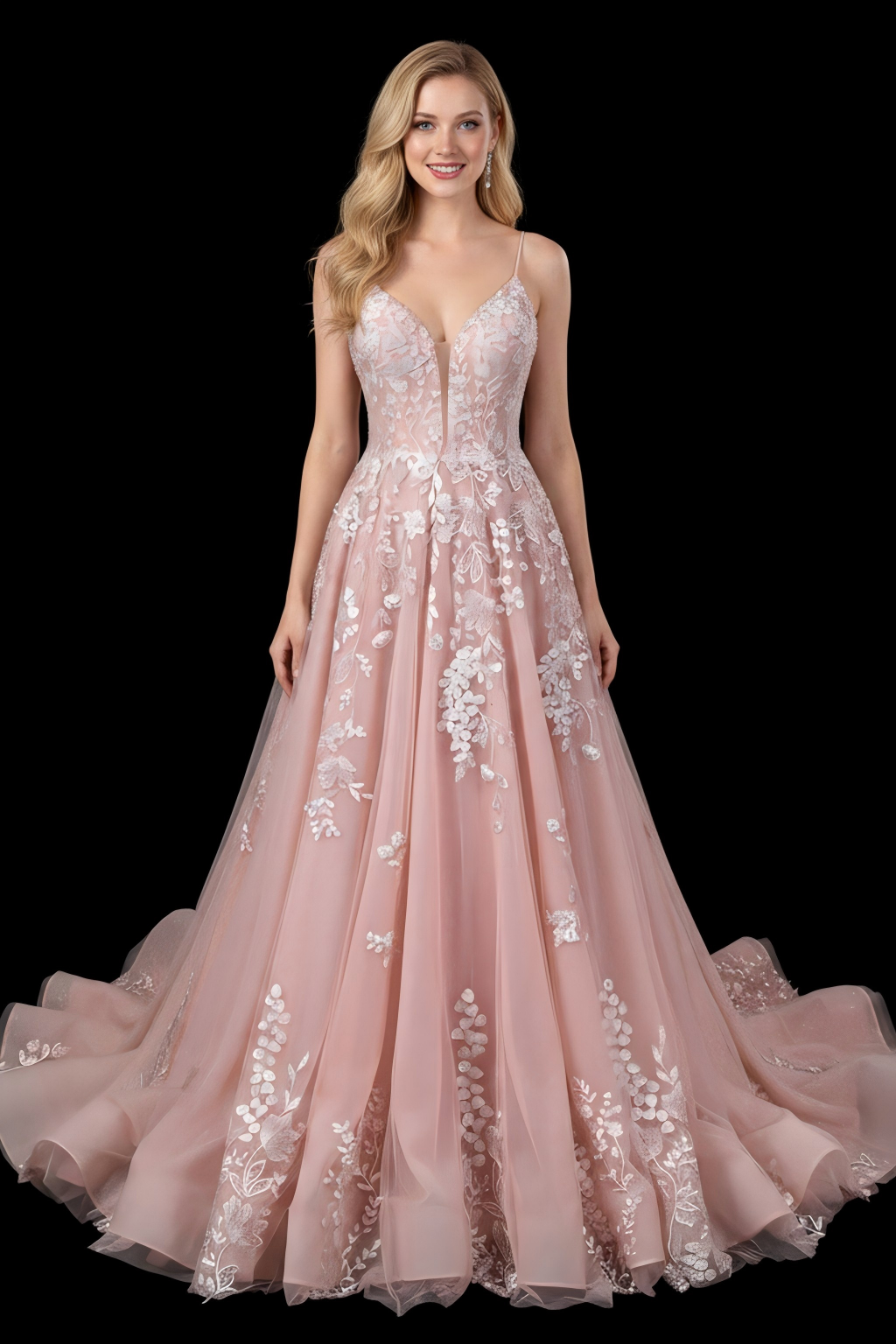
Fitted through the bodice and gradually widening toward the hem. It's one of the most reliably flattering silhouettes because it allows easy movement and creates a defined waist without a close-fitting skirt. A-line cocktail dresses are especially popular for weddings, as they balance structure with comfort in a way that holds up through a long evening.
Fit-and-Flare
Similar to an A-line but with a more dramatic flare from the waist or hip, giving the skirt more volume and motion. A good choice for festive occasions when you want the dress itself to have some presence.
Sheath
A straight, body-skimming silhouette with minimal flare. It reads clean and deliberate, closer in energy to a sharp suit than a party dress. Best for more conservative events, work-adjacent occasions, or when you want a minimal aesthetic.
Empire Waist
The seam sits just below the bust, with the skirt falling from there. Empire styles are comfortable and graceful, and they work well across both daytime and evening events.
Structured and Corset-Inspired
These styles use boning or structured panels to provide support and shape. They can be stunning, but getting accurate measurements before ordering is especially important here, structured bodices have very little give.
Choosing the Right Fabric
The fabric choice shapes not just how a dress looks, but how the whole evening feels. It's worth thinking about before you fall for a silhouette.
|
Fabric |
Visual Effect |
Best For |
Styling Note |
|
Lace |
Romantic and detailed |
Weddings, dinners |
Keep accessories refined |
|
Satin |
Smooth and polished |
Evening events |
Steam carefully before wearing |
|
Sequins |
Festive and bold |
Parties, holidays |
Limit competing sparkle |
|
Tulle |
Soft and dimensional |
Romantic occasions |
Balance the volume |
|
Embroidery |
Elevated and detailed |
Special events |
Let the details lead |
Lace is naturally suited to weddings and evening dinners. It does most of the decorative work on its own, so simpler accessories tend to land better. Check whether the lace is fully lined — unlined lace against skin can irritate over a long evening.
Satin has that smooth, light-catching finish that photographs beautifully. It does crease fairly easily, so store it carefully and steam it before you leave the house. Worth the effort for evening occasions.
Sequins are made for celebrations. Bold, intentional, and suited to parties and holiday events, not daytime. When the dress is doing that much, the jewelry and bag can stay simple.
Tulle and mesh can add volume, movement, or an illusion effect (like a sheer overlay over a structured underlayer). The aesthetic is lighter and more romantic than satin or lace.
Beading and embroidery feel more formal and elevated. They also tend to add weight, so consider how comfortable you'll be after a few hours standing or dancing.
Choosing a Color
Black and Navy
Black is the reliable choice, versatile, easy to style, and appropriate for nearly any semi-formal occasion. Navy runs close behind. A navy lace cocktail dress, for example, reads slightly softer than black while remaining completely suitable for evening weddings and formal dinners.
Red, Gold, and Bold Colors
Bold colors create a focal point. The approach that works best: let the color be the statement and keep everything else, accessories, bag, shoes, quieter.
Light Colors at Weddings
The general guidance is to avoid white, ivory, and any shade that could be read as bridal. But weddings vary enormously, and some couples actively request light colors or specific palettes for guests. When you're not sure, check the invitation language or ask directly; most couples are happy to answer.
Matching Color to Setting
These aren't rules so much as starting points. Jewel tones, emerald, sapphire, and burgundy tend to work well for evening weddings and cooler seasons. Soft pastels and lighter colors suit daytime events and spring. Metallics and champagne feel right for celebrations and holiday occasions. Dark neutrals are flexible year-round.
Can You Wear a Cocktail Dress to a Wedding?
Yes, and often it's exactly what the invitation is asking for. The considerations are the same as any cocktail occasion, just with a few additional layers.
For daytime weddings, lighter colors and breathable fabrics make sense; a soft A-line or a lace midi in a muted or pastel tone tends to land well. Heavy sequins or very dark colors can feel off against the lighter energy of a daytime event.
For evening weddings, you have more room, richer colors, lace, satin, and some controlled sparkle are all appropriate. Knee-length and midi are both good calls for most evening venues.
For outdoor weddings, think practically. Stilettos on grass, light fabrics in the wind, and evening temperature drops are all real considerations. A block heel or a dressy flat often works better than a traditional pointed stiletto. Bring a wrap if there's any chance the evening gets cool.
When a cocktail dress isn't quite right for genuinely formal, black-tie, or ceremonial events, something longer and more elevated is the better direction.
Elegant Cocktail Dresses by Occasion
For weddings: Lace, A-line, or midi styles in refined colors are the reliable starting point. A sweetheart or illusion neckline feels polished without being too bold. Match the embellishment level to the formality of the venue.
For cocktail parties: This is where you can take more risks. Bolder colors, more sparkle, shorter lengths, all appropriate when the occasion is festive, and the setting is evening.
For short styles in general: Short doesn't mean casual. Elegant short cocktail dresses use structure, fabric, and finish to feel elevated. A fitted lace bodice, a defined waist, a clean neckline, these details are what separate a cocktail dress from a party dress in the same length.
For work events: Choose styles that are polished and a little less revealing. A sheath or A-line in a dark neutral or jewel tone is the reliable choice. Movement matters here too, something you can walk, sit, and shake hands in comfortably.
For bridal events (engagement parties, rehearsal dinners, bridal showers): Cocktail dresses fit all of these naturally. Leave the white and ivory shades for the bride.
How Should a Cocktail Dress Fit?
A well-fitting cocktail dress feels secure without being tight. The bust lies flat without pulling or gaping. The shoulder seams sit at your actual shoulders, not slipping off or digging in. The bodice doesn't wrinkle or pinch at the waist, and the hips have enough room for you to walk and sit comfortably without straining the seams.
Before ordering online:
● Use a soft measuring tape, not a stiff ruler
● Wear the undergarments you plan to pair with the dress
● Measure the fullest part of your bust with the tape parallel to the floor
● Measure your natural waist, usually the narrowest point above the hips
● Measure the fullest part of your hips
● Check the hollow-to-hem measurement against the product listing if length matters
● Compare your numbers to the product's specific size chart, not a generic guide
● Read the return conditions before you purchase, especially on custom or made-to-order items
Getting measured by someone else, even informally, is more accurate than measuring yourself. It's worth the extra two minutes.
How to Style a Cocktail Dress
Shoes: Heels are traditional but not mandatory. Block heels and dressy flats work just as well, especially over a long evening on your feet. Think about the surface, grass, cobblestones, and wooden dance floors, all of which affect which shoe actually works.
Jewelry: Pick one focal point and commit to it. If the dress has an embellished neckline, skip the statement necklace and let the earrings carry the moment. If the dress is simple, a bolder piece of jewelry gives the look its edge.
Bag: A clutch or compact structured bag works for most refined occasions. A neutral or complementary color that doesn't compete with the dress is the easier call.
Layers: A tailored blazer or cropped jacket works well for evening events in cooler venues. A wrap or shawl is practical for outdoor settings where the temperature might shift.
Hair and makeup: Match the formality of the occasion. Upswept hair reads more formal; loose styles are more relaxed. The rule, such as it is, is to wear what makes you feel like yourself.
How to Shop for Cocktail Dresses Online
Confirm your event date first and count backward, factor in processing time, shipping, and at least a few days for steaming or minor alterations.
Read the dress code carefully. Check product measurements, not just the size label. Look at the fabric and lining details. Review the neckline, closure type, and bodice support. Study multiple product images if they're available, front, back, and in motion if possible.
Browse our cocktail dresses collection by color, neckline, length, fabric, and silhouette to find a style that suits your event and your preferences. We carry a range including A-line styles, lace, sequin, short, and knee-length options, and sleeveless or strapless designs.
Ready to Find Your Dress?
Choosing a cocktail dress comes down to a few clear decisions: the dress code, the setting, the length that suits the occasion, a silhouette that allows comfortable movement, a fabric that makes sense for the season, and a color that works with everything else. The right dress should feel appropriate and feel like you. Both things matter.
Explore our cocktail dresses to compare lace, A-line, sequin, short, and party-ready styles for weddings and special occasions.
Planning your own ceremony? Discover our wedding dresses in a range of bridal silhouettes and styles designed specifically for the occasion.
Frequently Asked Questions About Cocktail Dresses
What qualifies as a cocktail dress?
A polished, semi-formal dress worn for weddings, parties, dinners, and similar occasions. More elevated than casual daywear, less formal than a traditional floor-length evening gown. Fabric, finish, and tailoring are what distinguish it.
Are cocktail dresses long or short?
Cocktail dresses commonly range from above the knee to midi length. Floor-length styles are possible but tend to read as formal evening wear rather than traditional cocktail attire.
Can I wear a cocktail dress to a wedding?
Yes, when the invitation indicates cocktail or semi-formal attire. Consider the time of day, venue, season, and the couple's expectations when choosing your color, length, and level of embellishment.
What is the best length for a cocktail dress?
Knee-length is versatile and works for most semi-formal events. Short and midi styles work just as well, depending on the occasion and what you're comfortable in.
Can a cocktail dress have sequins?
Yes. Sequins are well-suited to festive, evening, and celebratory occasions. Match the level of sparkle to the event: lighter embellishment for daytime, bolder for evening.