Cart
0
Flower Girl Dresses: The Complete Guide to Choosing the Perfect Style
Most parents and brides don't overthink a flower girl dress until they're three weeks out and staring at a screen full of options that all look vaguely the same. The truth is, narrowing it down isn't hard once you know what actually matters: fit, fabric, and whether the dress will survive an active four-year-old from the processional to the last dance. This guide covers all of it. And when you're ready to browse options that are genuinely wedding-ready across every color and silhouette, OneWedDress flower girl dresses are a strong place to start.
What is a Flower Girl Dress?
A flower girl dress is the formal gown worn by a young girl, typically between ages three and twelve, who walks down the aisle before the bride, scattering petals or carrying a small basket. Her role is partly ceremonial and partly visual: she signals that the main event is about to begin.
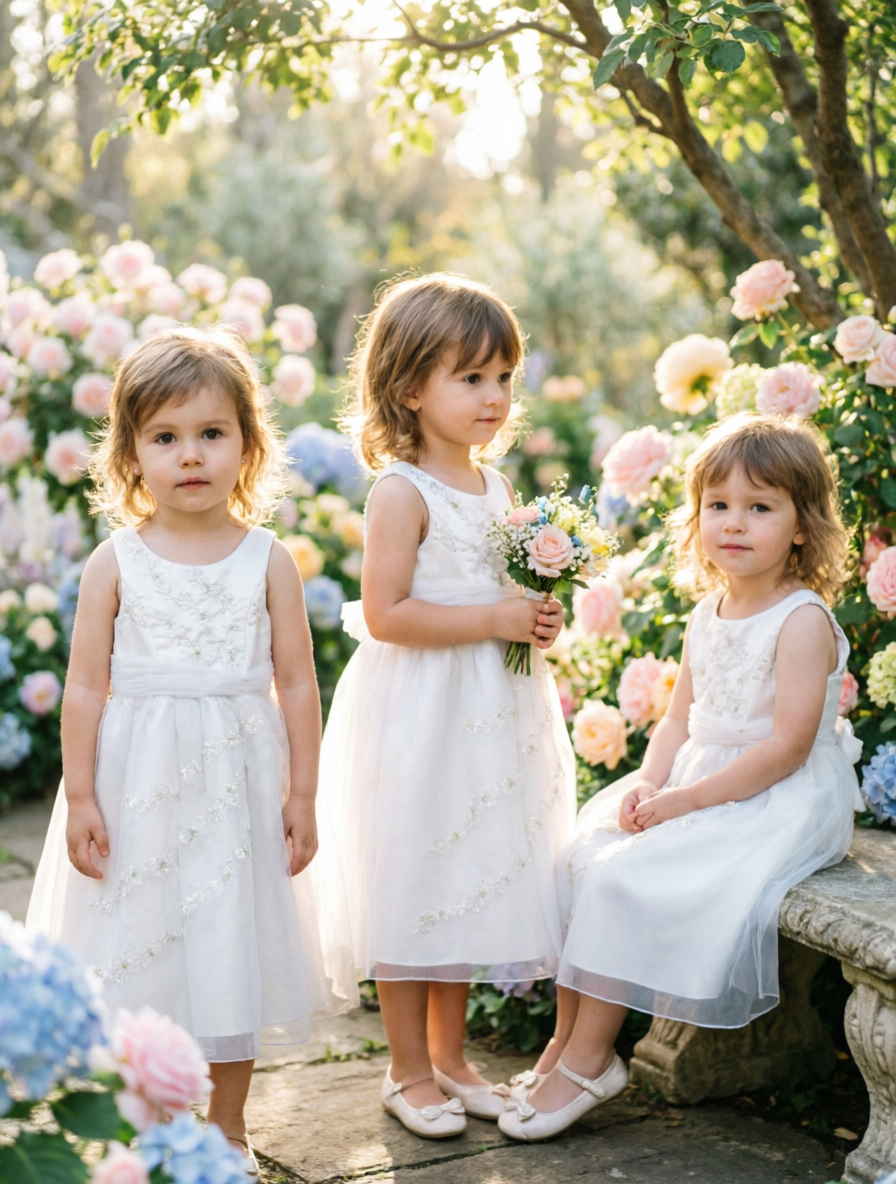
The dress doesn't need to match the bride's gown or duplicate the bridesmaids' dresses. What it needs to do is belong to the same world. A child in soft ivory tulle at a garden wedding feels right. A child in stiff taffeta at a boho outdoor ceremony feels off. That sense of belonging, tonal, not identical, is the whole goal.
How to Choose Flower Girl Dresses for Weddings
Before settling on anything, answer these questions honestly:
What's the venue? A cathedral ceremony calls for a more structured, formal dress. A barn or beach wedding opens the door to something lighter and less precious.
What's the season? Organza in July is smart. A full satin ballgown in August heat is a recipe for a very uncomfortable child, and a meltdown nobody wants in the photos.
How old is the flower girl? A toddler needs to be able to walk, bend, and recover from a stumble without the dress becoming an obstacle. A ten-year-old can handle structure and length that would be impractical for a three-year-old.
What's the actual budget? Decide before you start looking. Beautiful dresses exist at $40 and at $400, but browsing without a ceiling is how you end up convincing yourself that a $280 dress for a child who'll wear it once makes sense.
What do the bridesmaids look like? The flower girl's dress should feel related to the bridal party, same color family, or a complementary neutral, without being a scaled-down copy.
Best Flower Girl Dress Styles to Consider
A-Line Flower Girl Dresses
For most weddings, an A-line is the right answer. It fits snugly at the bodice and widens gradually from the waist down, which means it's flattering across different ages and body types, and children can walk in it without effort. It photographs well at every angle and works in settings as different as a hotel ballroom and a vineyard ceremony.
If you're shopping for the first time and feeling overwhelmed, start with A-line.
Princess Flower Girl Dresses
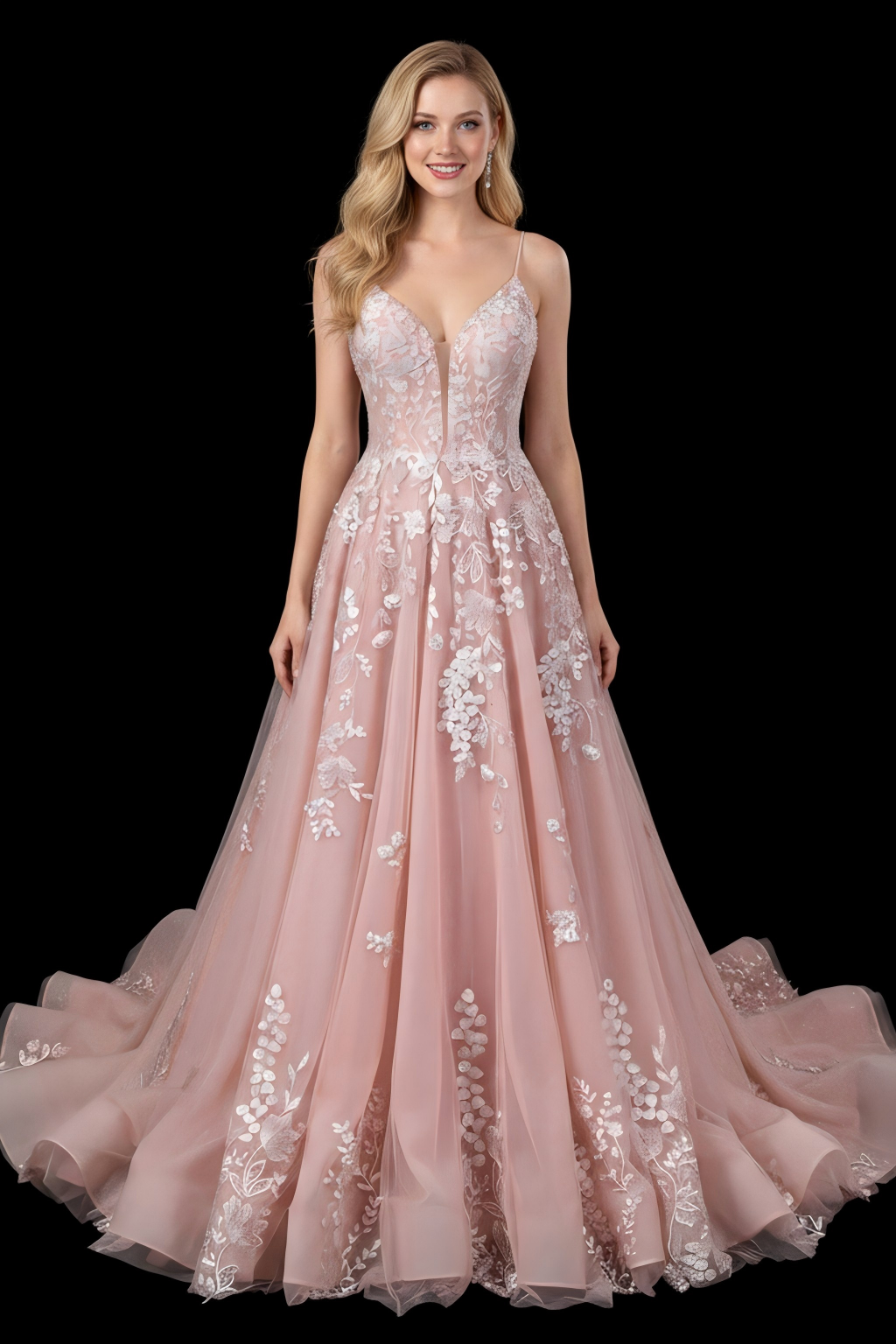
Full, voluminous skirts with layers of tulle or satin are the ones children beg for and look absolutely stunning in photographs. They're ideal for formal, fairytale, or black-tie receptions. But be honest about practicality. A wide skirt on a three-year-old during a two-hour outdoor ceremony, with a reception dinner and dancing afterward, is a lot of dress to manage. For older girls who can handle the volume, princess dresses are genuinely magical.
Satin Flower Girl Dresses
Satin has a specific elegance that reads as polished without feeling overdressed. It catches light beautifully and holds its shape. White satin flower girl dresses have been a classic pairing with traditional church ceremonies for decades, and they still look right. An added practical note: satin's smooth surface tends to sit better with children who are sensitive to texture, no scratchy tulle layers against the skin.
Embroidered Flower Girl Dresses
Beaded bodices, lace appliqué, and floral embroidery add visual richness without relying on volume to make a statement. These styles photograph especially well at close range and work for couples who want a curated, editorial feel in their wedding photos. For spring weddings in particular, floral embroidery has an almost perfect contextual fit.
Simple Flower Girl Dresses
Minimalist weddings, outdoor ceremonies, and beach events are often served better by an unadorned dress in soft tulle or lightweight satin. The lack of embellishment is itself a choice. These styles also tend to be the most budget-friendly and the easiest to move in a real advantage for younger flower girls. Browse our full collection of flower girl dresses to see these styles come to life.
Best Flower Girl Dress Colors for Different Wedding Themes
White
White flower girl dresses carry a timeless, almost angelic quality. They echo the bride without competing with her, and they work naturally in traditional church ceremonies. Photograph well in every light condition.
Pink
Blush, soft rose, or hot pink, the version of pink you choose says a lot about the wedding's personality. Blush belongs at romantic garden ceremonies. Hot pink shows up in modern, high-energy celebrations. Soft pink is versatile enough to pair with almost any bridal palette.
Ivory
Warmer than white, cooler than champagne. If the bride's gown is ivory or cream, an ivory flower girl dress creates visual cohesion rather than the slight clash that a pure white dress might produce. Particularly well-suited to vintage-style or warm-toned weddings.
Blue
Powder blue, dusty blue, or deep navy each carries a different tone. Blue dresses work beautifully for coastal ceremonies, winter receptions, and Cinderella-themed events. Navy specifically has a crispness that holds up well in both daylight and candlelit reception settings.
Red or Gold
These are bold choices, and they're not for every wedding, but for cultural ceremonies, evening receptions, and holiday celebrations, red and gold dresses photograph with real drama. When the setting calls for it, they're exactly right.
What Fabric is Best for Flower Girl Dresses?
Fabric is where comfort and appearance intersect. A dress can look perfect on a hanger and be unbearable to wear.
Satin is structured and smooth. It holds its shape, catches light well, and suits formal indoor ceremonies. Children with texture sensitivities often tolerate it better than tulle.
Tulle is lightweight and layered, producing the full, princess-style volume that many children love. Multiple layers can feel bulky in heat, so it's worth considering for summer or outdoor weddings.
Organza is airy and slightly sheer with a soft shimmer. It drapes beautifully and doesn't trap heat, making it a smart choice for warm-weather ceremonies.
Lace is typically used as an overlay rather than a full garment construction. It adds a romantic, detailed look, but check that the lace isn't scratchy; some children find it uncomfortable against bare skin.
Polyester blends are often dismissed unfairly. They're more affordable, easier to clean, and can look genuinely beautiful on the day. The weave quality varies considerably by brand, so read reviews and look at close-up photos before ordering.
Embroidery and beading are applied to details, not fabrics themselves. If a dress has significant beadwork, feel it in person if possible, or order with enough lead time to return it if the weight or texture is wrong for the child.
How to Pick the Right Flower Girl Dress Length
Length affects how formal a dress feels and how safely a child can move in it.
Knee-length suits younger children and outdoor ceremonies. It's easy to walk, run, and climb in practice without looking casual.
Tea length (between knee and ankle) is versatile enough for most wedding styles, formal enough for a church, but relaxed enough for a garden.
Ankle length reads as elegant and formal without the hazard of a full floor-length hem. A good choice for older flower girls at more formal events.
Floor length is the most formal option and photographs beautifully. Reserve it for girls aged six and older; a full-length hem on a toddler is a tripping risk that nobody wants to deal with at the top of a ceremony aisle.
Flower Girl Dress Sizing Tips for Online Shopping
Age-based sizing is the single biggest source of returns. A size 4T fits a wide range of actual four-year-olds very differently, and between different brands, the variation is substantial.
Take three measurements before ordering anything: chest, waist, and dress length from the top of the shoulder to wherever you want the hem to fall. Compare those numbers against the brand's actual size chart, not the general age guide. If the measurements put the child between two sizes, size up, particularly in the waist. Children breathe deeply, eat at the reception, and move constantly.
If the wedding is more than two months away, factor in growth. A dress that fits perfectly in April may be snug in June.
Order early enough that you have time to exchange the size if needed. Last-minute orders under deadline pressure don't leave room for mistakes. Before purchasing from OneWedDress, use their size chart; it's there for exactly this reason, and it will save you a return.
Flower Girl Dresses by Wedding Season
Spring calls for light colors and breathable fabrics. Blush, white, ivory, and pale lavender all work well. Floral embroidery fits naturally with the season. Organza and lightweight tulle keep children comfortable as temperatures rise.
Summer weddings favor sleeveless and spaghetti-strap silhouettes. Heavier fabrics retain heat, and a child in satin standing in direct sunlight during an outdoor ceremony will feel it. Shorter lengths also help.
Fall opens the palette to richer tones, such as champagne, deep red, gold, and warm ivory. A slightly heavier satin or an embroidered gown suits the season visually and practically as the temperature drops.
Winter is where fuller, more structured dresses genuinely shine. Satin and lace with longer sleeves or a bolero jacket keep children warm. Princess-style gowns feel particularly fitting for snowy or evening ceremonies.
Flower Girl Dresses Beyond the Wedding
A well-chosen flower girl dress doesn't disappear into a closet after one outing. White and ivory dresses translate directly to first communion and baptism ceremonies. Princess-style dresses with embroidery or beading work for pageants. Less formal flower girl styles can become birthday party dresses or family portrait looks.
Junior bridesmaids, girls between roughly ten and thirteen, often wear longer versions of flower girl dresses as a middle ground between the bridal party and the younger children. If you're shopping for that age group, it's worth keeping the junior bridesmaid context in mind, since the same dress can serve both occasions.
Why Buy Flower Girl Dresses Online from OneWedDress?
OneWedDress carries a wide selection of wedding-ready styles across colors, silhouettes, and occasions, including white satin A-lines, embroidered styles with beaded bodices, full princess gowns in pink, and more. The collection covers weddings, communion, baptism, pageants, and formal parties, with clear size guidance and shipping details available before you commit. Browsing by style or color makes it easy to narrow down without spending hours in decision fatigue.
How to Accessorize a Flower Girl Dress
The dress is doing the work. Accessories should support it quietly.
For hair, a simple floral crown, a satin ribbon headband, or a small bow works for most styles. Match the tone to the dress: white or ivory for classic looks, soft pink or blush for romantic themes. Avoid anything heavy or elaborate for young children; it will be removed within the first hour.
For shoes, white or ivory Mary Janes pair with almost every flower girl dress. Ballet flats are the smarter choice for outdoor venues where grass will swallow a small heel. Whatever the choice, make sure the child has actually worn the shoes before the wedding day. New shoes on a ceremony day, on a child who hasn't broken them in, is an invitation to blisters and complaints.
The flower girl basket should complement the dress, not contrast it. Wicker with white ribbon is a universally safe option. Some families skip the basket entirely in favor of a small bouquet or a wand, simpler and often easier for younger children to manage.
One non-negotiable rule: do a complete dress rehearsal with everything on together before the wedding day. If anything is uncomfortable, itchy, or awkward to walk in, you want to find out with time to fix it, not thirty minutes before the ceremony.
Flower Girl Dress Shopping Checklist
● Matches the wedding theme and color palette
● Appropriate silhouette for the child's age and mobility needs
● Fabric checked for both formality and comfort against the skin
● Actual measurements taken and compared to the brand's size chart, not the age guide
● Length appropriate for the child's height and the venue
● Ordered early enough for shipping and any alterations
● The child has tried it on and feels comfortable and confident in it
● Accessories selected and tested with the dress together
● Styling is age-appropriate and avoids anything that reads as too mature
Final Thoughts
The dress that looks best in photos is almost always the one the child feels good wearing. That's not a platitude; it shows up in the pictures. A child who is uncomfortable, hot, or restricted moves differently, and cameras catch it. Start with comfort and practicality, then make it beautiful within those constraints.
Ready to find the right dress? Explore OneWedDress flower girl dresses across white, pink, ivory, satin, embroidered, and princess styles, designed for weddings, communion, pageants, and every formal moment worth getting right.
Frequently Asked Questions About Flower Girl Dresses
Who usually buys the flower girl dress?
Traditionally, the flower girl's parents cover the cost. Some couples include it in their wedding party budget and purchase the dresses themselves, particularly when they have strong preferences about the style or color.
What color should a flower girl's dress be?
White, ivory, and soft pink are the most common choices, but the best answer depends on the specific wedding. Look at the bride's gown, the bridesmaids' colors, and the overall palette before deciding. Cohesion matters more than rules.
Should the flower girl's dress match the bride's?
Not exactly, and trying for an exact match usually backfires. The flower girl's dress should belong to the same visual world as the bride's, which typically means echoing the color family or complementing the bridesmaids' tones without being identical.
Are satin flower girl dresses good for weddings?
Yes. Satin has a polished finish that photographs well, holds its shape through a full day, and suits both traditional and contemporary ceremonies. It's a particularly strong choice for indoor or formal events.
Are princess flower girl dresses comfortable?
When properly fitted, yes. The main variables are fit at the waist, quality of the lining, and the weight of the skirt. A well-constructed princess dress with soft lining is no less comfortable than any other style; the problems usually come from poor fit or cheap construction, not the silhouette itself.
Can flower girl dresses be worn for first communion or baptism?
White and ivory flower girl dresses translate naturally to both. Many families specifically choose a dress for both occasions in mind, which makes the investment feel more considered.